



One movie tonight. Your next series tomorrow.
Watch now opens JustWatch viewing choices. Your country
2023 · Movie
2022 · TV Series
2024 · Movie

2022 · Movie
2021 · Movie

2024 · TV Series

2025 · Movie

2025 · Movie

2025 · Movie

2025 · Movie

2025 · Movie

2025 · Movie
2022 · TV Series
2024 · TV Series

2023 · TV Series
2020 · TV Series

2021 · TV Series

2022 · TV Series

2023 · TV Series

1999 · TV Series

2025 · Movie

2009 · TV Series

2013 · TV Series

2011 · TV Series
Choose the right OnStream help for your phone or TV. Understand Android APK requests, browser access and same-name applications.
Read guide →Understand the difference between My List, an app installer and an offline film. Find practical answers for OnStream download requests.
Read guide →Return to the movie you wanted when an old OnStream address fails. Keep website requests separate from app and account problems.
Read guide →Identify whether the problem is the page, a title search, your saved list or the viewing application before changing settings.
Read guide →OnStream movies & TV
You do not always arrive with a film name. Sometimes you have a spare evening, a phone in your hand and a vague idea that you want something better than another half-hour of scrolling. OnStream brings the choices back to movies and television. Open a poster, read enough of the story to become interested, then decide whether to watch now or keep it for later. You can search directly when somebody has already given you a recommendation, or move between animation, adventure, thrillers and television without starting a new search each time.
The familiar dark screen and bright watch button keep the title in focus. Movie details, genres, years and your saved list are close at hand. Browsing does not require an OnStream account. When you choose Watch now, the named film or programme opens in JustWatch so you can compare viewing options for your country. Keep the original page open if you want to return to your shortlist afterwards. The useful part is having the right production ready when you reach the next screen.
Below, you will find help for choosing a film, following a series, watching on different devices and dealing with the questions people bring from the OnStream app. Use the short navigation to jump to the part that matters tonight. The catalogue above is ready whenever you would rather browse than read.
A good shortlist is easier to use than a very long one. Begin with three possibilities: the film somebody recommended, the title that catches your eye and a reliable favourite you would happily watch again. Open their details and compare the basic premise. You can usually discard one without reading a full plot summary. That leaves a real choice rather than a growing collection of tabs that all feel equally urgent.
Think about the kind of attention you have available. A film you want to discuss afterwards deserves a different evening from something you expect to pause while making dinner. If other people are watching, ask what they would enjoy rather than asking only what they have not seen. A familiar adventure may suit the group better than a highly rated drama that nobody is in the mood for. OnStream’s movie pages give you a place to compare those possibilities without immediately committing to a player.
Keep the rejected-but-interesting option in My List. That small action makes the next visit easier. You are not rejecting the film forever; you are choosing the right moment for it. Once the group agrees, open the viewing options and check the offered edition. Do not let a last-minute search for a different poster undo a decision you already feel good about. The evening can begin with one confident choice.
OnStream’s featured area puts a large poster in the centre, with other titles beside it. The previous and next controls let you move through the selection at your own pace. Nothing needs to advance while you are reading. Open Details when the artwork interests you, use My List when it is a maybe, or choose Watch now when you already know the production. Those actions serve different intentions, so there is no need to open a viewing tab just to remember a title.
The neighbouring posters are useful when the central film is not your mood. You might arrive looking for animation, notice a crime series and save that programme for a different day. A small featured selection can create that discovery without pretending to know every preference you have. Treat it as a few visible suggestions, not a personalized order you must follow.
Below the feature, the movie and TV rows widen the choice. The year underneath a poster helps separate versions, while its title takes you to the full page. On a phone, give yourself a moment to read the name before tapping. Similar-looking artwork and short titles can conceal very different films. If you remember only the cover, the featured area can help you recover the name; after that, use the actual title to continue.
The most useful search is not always the longest one. A distinctive word from a title often works better than a whole sentence containing “watch full movie online in HD.” Start with the production name, then use the available filters to narrow the result. If the page is empty, remove the filters before assuming the film has disappeared. A release-year setting left over from your last visit can make a perfectly sensible new search look wrong.
Movie titles also travel between languages. A friend may remember a translated name, a subtitle or the words printed most prominently on a poster. Try the original name if you know it, or shorten the phrase to the part least likely to change. Compare the year and description once results appear. When a film shares its name with a programme, open the appropriate movie or TV section rather than relying on the first result alone.
OnStream’s search and filters are for finding productions, not searching inside every actor’s interview or every line of dialogue. If you have only a scene description, first recover the film’s name from a reliable film reference, then return to the catalogue. Keeping the task small helps: identify the production, inspect its page, choose a viewing option. Each step gives you something definite to use in the next one.
A television recommendation often arrives halfway through somebody else’s enthusiasm. They mention a season finale, a new character or “the episode everybody is talking about,” while you are still trying to identify the programme. Begin with the main show page. Its original year and premise tell you which series you have found. A later season can have a different release year without changing the identity of the programme.
Once you reach a viewing application, choose the intended season before selecting an episode. That matters for returning viewers as much as new ones. A service may open its newest season by default, or resume something previously watched on a shared profile. Check the episode number and title before pressing play. A brief pause there can avoid a major spoiler or the confusion of joining a story several chapters too late.
The TV Shows catalogue and My List keep the programme easy to find again. Your actual playback position belongs to the application playing the video. Saving a show here does not record the minute where you stopped, and it does not require you to finish every episode before exploring another series. Keep a short note of your season when moving between services or devices. A show name, season number and next episode are enough to make returning much simpler.
Genre is a starting point, not a complete description of a film. OnStream’s animated movies can lead into comedy, adventure or a more serious story. The adventure collection can contain very different levels of tension. Open the film’s own page when the distinction matters. A single category cannot tell you whether a particular title suits a young viewer or someone who dislikes frightening scenes.
For television, try a change of rhythm. A crime series can give you a continuing question to follow; a comedy can offer a different kind of evening. Science fiction and fantasy leave room for unfamiliar worlds and rules. You do not have to stay in one category because that was what you watched last. The useful filter is the one that reduces indecision now, not a label you must attach permanently to your taste.
Country, original language and release year provide other ways into the catalogue. Use a year when you want to revisit a particular period, or a language when you want another film from a cinema you have started exploring. Then return to the premise. Combining several strict filters can hide interesting choices, so loosen one if the result feels too narrow. Browsing should make room for a good surprise as well as an exact match.
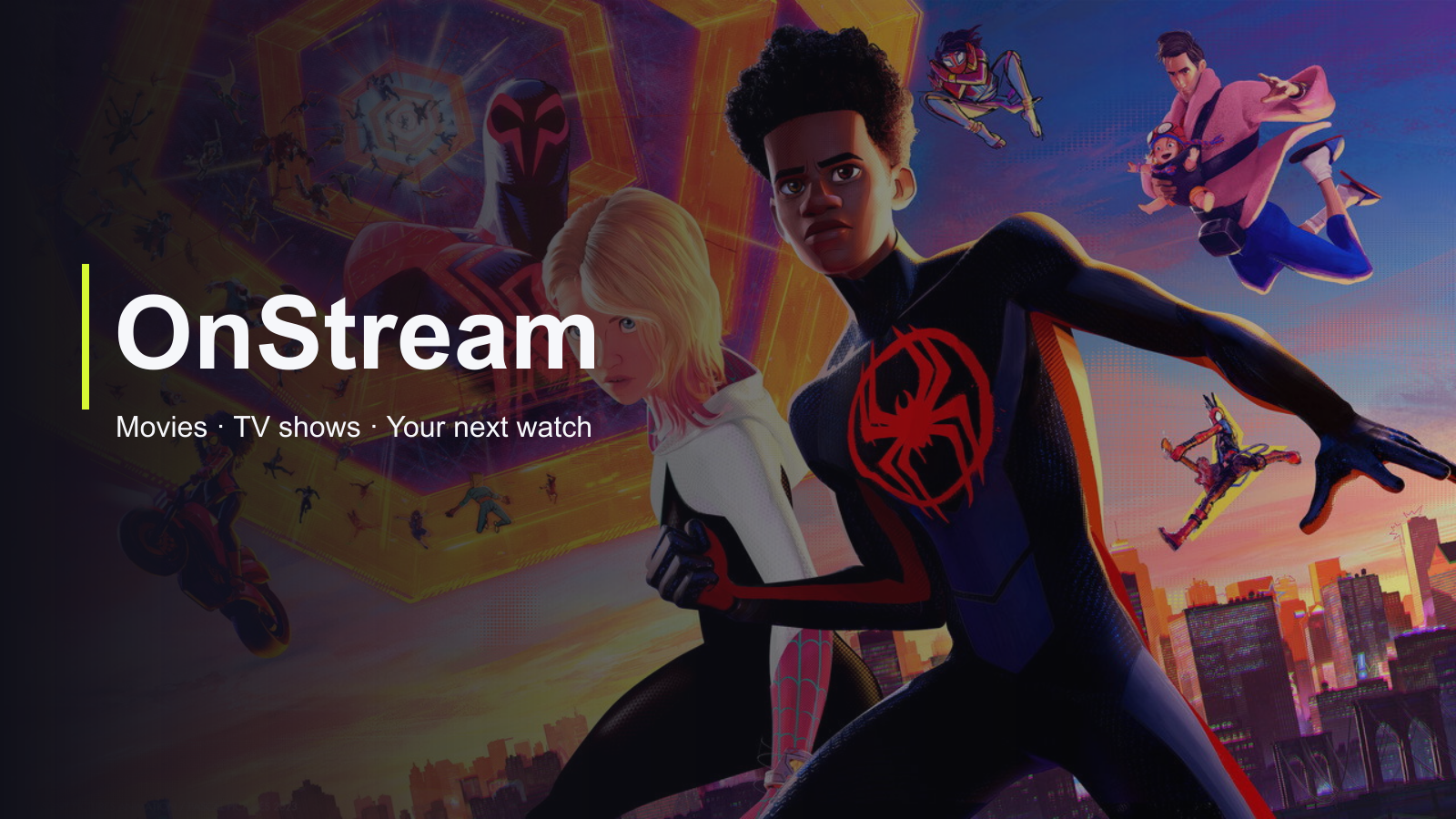
Spider-Man is a useful example of why a complete title matters. Animated and live-action productions share a familiar character without being the same film. Spider-Man: Across the Spider-Verse is the 2023 animated movie. Sony’s production page follows Miles Morales and Gwen Stacy into a wider Spider-Verse, where the Spider Society brings new conflict. That identifies the film without revealing how its major choices unfold.
If you meant Spider-Man: No Way Home, keep those extra words in the request. A colourful poster, a familiar suit or a shortened message from a friend can easily point you toward the wrong result. Comparing the title and year is quicker than discovering the mismatch after opening a viewing offer. The same habit helps with other franchises whose names differ by only a subtitle or a number.
Animation can be rewarding on either a phone or a television, but the setting changes what you notice. On a larger screen, leave room to appreciate the composition rather than watching while checking another app. On a smaller screen, readable subtitles and comfortable brightness can matter more than chasing the largest advertised resolution. Choose a supported edition that suits the device, then give the film your attention. Its artwork is part of the experience, not just decoration around the story.
Reacher identifies the television programme starring Alan Ritchson. Amazon’s season-three guide separates the series’ 2022 beginning from its 2025 third season, which draws on Lee Child’s Persuader. Those dates answer different questions. The original year is useful for finding the programme; the season information helps you return to the chapter you actually want.
A saved series can remain useful even when the artwork changes. Think of My List as a way to keep the programme within reach, then check your episode progress in the viewing app. You do not need a fresh bookmark every time a service promotes a newer season. If someone sends you a clip, ask which season it belongs to before searching for an ending explanation. A spoiler-free return is usually more enjoyable than trying to reconstruct the story from short videos.
After an intense run of episodes, a different kind of film can make a good break. You might move to adventure, animation or comedy rather than immediately looking for the closest possible imitation. The watch-next guide provides a few distinct starting points. Keep Reacher on the list while trying something else. Following a series does not require turning every evening into the same kind of viewing.
The film you choose alone is not always the one that works for a room of people. Start with the viewers, the available time and any subjects they would rather avoid. A bright poster does not guarantee that a movie is appropriate for every age. Check the title’s classification and content information in the service you choose, especially when animation, fantasy or familiar characters make a film look younger than it is.
For a group with different preferences, shortlist films people can genuinely agree on instead of taking turns rejecting everything. One person might care most about language, another about length and another about whether the story is frightening. Put those needs together before opening viewing offers. It is easier to compare two suitable films than to debate ten titles after somebody has already started one.
OnStream’s film pages help keep the conversation attached to an actual production. Read the premise aloud if the television is across the room, or keep the browser open on your phone while everybody looks at the poster. Save the option that loses the vote. It may be exactly right for another night. When the movie begins, confirm the spoken track, subtitle size and volume together so one person is not struggling silently through the opening scene.
When you want suspense, the introduction is usually enough. The thriller collection gives you movie pages to compare without requiring an ending recap. Look for the initial situation and the kind of tension it suggests. A mystery in a house, a pursuit through a city and an investigation around a family can all sit near one another in a catalogue while creating very different experiences.
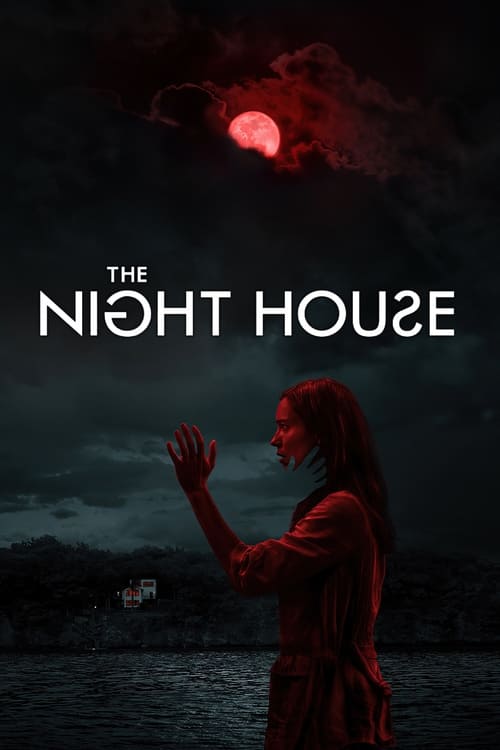
The Night House is one title to inspect if that quieter, unsettling direction appeals to you. Open the movie description and stop when you have enough information to choose. Searching the title together with “explained” before watching can reveal more than you intended. You can always return to discussion afterwards, once the film has had a chance to establish its own questions.
Give this kind of viewing the conditions it needs. A noisy room, tiny subtitles or repeated pauses may make a tense sequence feel confusing rather than involving. Choose a manageable quality setting and finish basic device checks before starting. If tonight is full of interruptions, save the thriller and choose something you can pause more comfortably. My List is useful precisely because a good film does not have to be watched at the first moment you discover it.
You can use OnStream’s language and country browsing to find a film outside your usual routine. Start with one production that interests you rather than trying to master a whole national cinema in an evening. The original language helps identify the work. The spoken track and subtitles available in the chosen viewing edition determine how you will experience it.
A dubbed version can be a comfortable choice when reading subtitles is difficult or when several people are sharing the screen. Original dialogue with translated text offers a different way to follow the performances. Neither choice needs to be treated as a test of whether you are watching correctly. What matters is finding a supported combination that lets you stay with the story. A translated description on a movie page does not itself promise a corresponding dub.
When you enjoy a film, use its genre or original language as a starting point for the next search. Change one thing at a time. You might keep the language and try another genre, or keep the mood while exploring a different country. Save two or three discoveries rather than collecting an unmanageable list. Over time, your own choices create a more useful viewing history than a hurried attempt to watch whatever is currently most visible.
My List is for the movies and programmes you would like to return to. Use the save button while browsing, then open the list when you are ready to choose. It is especially helpful when a recommendation arrives at the wrong moment: during a commute, between tasks or halfway through another series. A saved title gives that recommendation somewhere to wait without requiring you to begin watching immediately.
The list belongs to this browser. It is not a cloud account shared with every app called OnStream, and it is not the same as a television profile’s Continue Watching row. Switching to a different browser or device can therefore show a different shortlist. Clearing this site’s browser data can remove the saved entries. Keep important names separately before a device change or cleanup if you want to be sure you can find them again.
A little editing makes the list more useful. Remove a film when you no longer want it there, or keep a watched favourite if you expect to revisit it. You do not need to collect every title that looks interesting. A handful of genuine possibilities is easier to choose from than a list so long it recreates the entire catalogue. Most importantly, remember that saving stores the title, not a downloaded video or a record of the last minute you watched.
A phone is often the easiest place to decide, even when it is not where you want to watch. Use it to compare titles, read a premise and agree on a choice. Then carry the exact production name and year to the television or computer. That handover is much smoother than typing a long, uncertain phrase with a remote while everybody waits.
OnStream’s country selection helps keep the next step relevant. Choose the country where you are looking for a viewing offer, then open Watch now. The named JustWatch search carries the title into that comparison. An offer available to a friend elsewhere may not appear in your country, so the absence of the same service does not mean you selected the wrong movie. Inspect the current result instead of expecting a screenshot from another location to match exactly.
Once you settle on a viewing application, use its supported device method. That might be its television app, a desktop browser or a compatible casting option. The catalogue does not need to become a remote control for every screen in the house. Its job in the handover is to keep the production clear and your alternatives easy to revisit. Leave the title page open until the film starts, then you have a convenient route back if the first offer does not suit you.
Many visitors know OnStream through an Android movie app, which is why app and APK questions deserve direct answers. An APK is an Android installation package. It is different from a website bookmark and different again from a downloaded film. Before following installation advice, identify which of those three things you want. If the immediate task is to find a title, this browser catalogue is already available without an installer.
The OnStream app page brings the platform answers together. It does not distribute a native APK or claim that every same-name store result belongs to this website. This distinction matters because a familiar name can be used for unrelated products. For example, the observed OnStream listing by Onstream LLC on Google Play describes managed-screen pairing and scheduling, not simply the movie catalogue remembered by many app users. Match the purpose and developer rather than relying on the name alone.
For day-to-day browsing, keep the site in your usual mobile browser and save the titles you want. If your browser provides a home-screen shortcut, it can make returning more convenient. That shortcut remains a way to open the website; it does not add offline films, a hidden player or shared app credentials. Choose the simplest access method that accomplishes what you need today, and keep installation questions separate from the decision about what to watch.
Fire TV questions usually begin with a practical wish: put the same kind of movie browsing on the living-room screen. The important first detail is the device you are using. A television with an HDMI stick attached can involve two different systems, and instructions for one do not necessarily apply to the other. Note the Fire TV model and software when checking an application’s supported devices. A television manufacturer’s name alone is not enough.
A remote also changes the experience. Touch controls that feel obvious on a phone can become frustrating when there is no visible focus indicator or when a button sits outside the part of the screen you can reach. Choose an application intended for the actual device when you move to playback. For finding a film here, using a phone or computer first can save a great deal of remote typing.
Searches for an OnStream Downloader code refer to a shortened way of reaching an address. The code is not a film ticket, an account or proof that an installation package is compatible with your device. This site does not supply a current installer code. The Fire TV guide explains the difference and keeps that question separate from named viewing choices.
If an existing installation shows a disabled notice, keep the exact message before changing settings. An operating-system decision, an app launch error and a stalled video are not one problem. Moving immediately from one old code to another can lose the useful evidence. Identify the failing step, then use the relevant device or application help. Meanwhile, the movie’s title can still lead you to another supported way to watch.
For an iPhone or iPad, start in the browser. Search, movie details and My List do not require an Android environment. The small-screen navigation gives direct access to the main catalogue areas, and the page can be kept as a bookmark for later. You can decide what to watch on an iPhone even when the eventual viewing application lives on your television.
An Android APK does not become an iOS application because its filename changes. This website does not supply a native iPhone package. That simple answer saves you from following a long set of irrelevant Android steps when all you wanted was to open a movie page. The iPhone and iPad guide focuses on browser use and carrying your chosen production to a supported viewing app.
If you move between Safari and another browser, remember where you saved the list. Browser storage is not the same as an Apple account, and a different browser can have a different shortlist. Keep essential film names before replacing a device or removing browser data. For watching on a larger screen, use the selected application’s supported AirPlay or television method when available. The fact that a page opens successfully on an iPhone does not by itself establish every possible video-output option.
A desktop browser gives you more room to compare titles without squeezing the artwork and description onto a small screen. Open a movie page beside your shortlist, read the premise and keep the year visible. You do not need an Android emulator to browse OnStream here. Requests for an OnStream PC download and requests to use this website on a PC are different tasks.
The keyboard is useful for ordinary navigation. Move through links and controls with Tab, activate the focused item with Enter and return to the search field when you want another title. If you enlarge text in the browser, give the page a moment to reflow. The aim is a comfortable reading size, not fitting the maximum number of posters into the window. A large monitor is still a personal screen with a viewing distance and lighting conditions of its own.
After the watch handoff, compatibility belongs to the selected viewing service. Its browser support, account conditions and video controls may differ from those of another service. If playback fails there, use its device guidance rather than installing an unrelated utility simply because a search result mentions PC streaming. The desktop guide keeps the straightforward browser route separate from Android application questions and explains how to retain the original title tab while comparing an offer.
Android TV, Fire TV, Roku, Samsung Tizen and LG webOS can all appear in a conversation about Smart TV, but they do not accept the same applications in the same way. When somebody says an app works on their television, ask which system they are using. Their experience with an external streaming box may not describe the software built into your own set.
Use the device’s supported app source and the viewing service’s current compatibility information to choose the playback method. Do not assume that a generic APK is a universal television installer. A browser, where provided, may be useful for finding information while a dedicated viewing app is the supported way to play a particular film. Those can be complementary steps rather than competing choices.
For a simple evening, settle the title on the screen that makes searching easiest, then open the selected service on the larger display. Keep the full name and year handy. Check audio output and subtitle size from your normal seat, not while standing beside the television. A picture that looks sharp up close can still be uncomfortable to watch if dialogue is hard to hear or text is too small. The device guide helps organize that handover without treating every living-room setup as identical.
Casting and screen mirroring are often discussed as though they were the same button. In practice, the supported method depends on the application, the receiver and the device sending the video. Use the controls supplied by the app actually playing the film. A catalogue page with a poster is not itself a full video that can be sent to a television.
Google’s YouTube casting guidance, for example, describes a supported application and compatible network setup. Apple’s AirPlay and mirroring instructions describe another device family. These are useful starting points for their respective systems, not proof that every player offers the same controls. Follow the guidance for the actual combination in front of you.
When the receiver does not appear, check the basics before changing the whole home network: the intended device, its current connection and the permissions relevant to that app. If a film opens on the television, confirm which device controls volume and playback. Keeping that clear avoids pressing a button on the phone that does something different from what you expect. Use OnStream to keep the title and alternatives available while the viewing application handles the supported connection to the screen.
Subtitles are not just a fallback for unfamiliar dialogue. They can make a quiet evening more comfortable, help in a noisy room or support a viewer who misses some spoken words. Choose the text language and spoken audio separately where the player allows it. Original dialogue with English subtitles, a Hindi dub and captions describing sound are not interchangeable settings, even when they appear close together in a menu.
Readability matters as much as availability. Test a dialogue scene from your usual seat. If the letters disappear against bright scenery, look for an outline or background option. If they dominate the picture, reduce the size slightly while keeping them easy to read. Not every application offers the same styling controls, so use the ones that actually exist in your player rather than searching for a setting described for another app.
Timing problems deserve a precise description. Text that remains consistently early or late suggests a different issue from captions that stop halfway through a scene. Check that you selected the intended film edition or episode. Use a subtitle-delay adjustment only when the player provides it, and test a short passage before making another change. Repeatedly clearing the OnStream browser list will not repair a caption track in a separate viewing application.
The subtitle guide also addresses SPlayer questions from people familiar with earlier app workflows. Here, Watch now leads to viewing choices rather than a hidden external-player command. Once you choose a service, its actual language list is the one that matters for that watch.
HD is useful shorthand, but it does not tell you everything about a viewing experience. Resolution describes the image dimensions. Compression, motion, source quality and the way the display handles the picture also influence what you see. A sharp poster or an HD word in a search phrase is not evidence that every available edition of a film will look identical.
For a phone, a stable picture at a comfortable brightness may be more useful than repeatedly selecting the highest possible setting. On a larger screen, inspect the actual offer and player options for 1080p or another supported resolution. Let the screen and the connection work together. If video is stopping every few moments, a lower or automatic setting may make the story easier to enjoy than a nominally sharper image interrupted by constant loading.
OnStream’s picture-quality guide explains the terms without assigning a universal resolution to the whole catalogue. The quality of the selected video belongs to the title edition and the service playing it. Check those details after the viewing handoff. Keep the difference clear between what you would prefer and what a particular offer supports. That makes it easier to compare choices without treating every missing quality badge as an error in the movie page.
A 4K television is an important part of a 4K setup, but it is not the whole setup. The production needs an appropriate edition, the selected offer needs to include it and the playback application and device need to support it. A connected box, display setting or account option can change the result. Inspect the actual service information before assuming the television’s label guarantees a particular stream.
HDR and audio formats add separate questions. A film can have a resolution option without offering every dynamic-range or sound format on every device. If those details matter to you, compare them directly rather than using 4K as a word that stands for all of them. You can make a good choice without turning the evening into a hardware upgrade project. The best available edition on the equipment you already own may be entirely satisfying.
Netflix’s video-quality help gives a concrete example of how title, plan and device support affect the displayed options. That guidance applies to Netflix, not a measured guarantee for every OnStream viewing destination. This catalogue does not promise selected 4K playback for a title unless the chosen service actually offers it. Use the movie page to identify the work, then let the current edition details answer the technical question.
Streaming happens over time, not only during a brief speed test. A connection can produce an impressive result once and still fluctuate while you watch. Consider where the device sits, whether the connection changes between rooms and whether other activity is competing for the same network. A film that runs comfortably beside the router may behave differently on a television at the far end of the home.
For one service-specific reference, Netflix recommends a stable connection of at least 3 Mbps for 720p, 5 Mbps for 1080p and 15 Mbps for 4K. These are Netflix’s recommendations, not speed measurements taken by OnStream or promises for every other player. Use the requirements published by the service you actually choose.
When playback falters, make one understandable change and test it. Try an offered Auto setting, move to a more reliable connection if practical, or pause heavy activity you control on the same network. Do not erase saved data or reset a router merely because one film paused once. If only one title is affected while others play normally, keep that information for the viewing service’s support. It narrows the problem more usefully than treating every pause as proof that the entire website has failed.
Offline viewing is most valuable when it is prepared before the connection disappears. Choose the film while you are still online, open the application supplying it and check whether that title can be downloaded on the device you are taking. A movie may support online playback but not an offline copy under the selected offer. The answer belongs to that application and edition, not to the presence of a poster in the OnStream catalogue.
Finish the download rather than assuming that a progress bar will complete in the background. Open the film, check the desired audio and subtitles and perform a brief offline test. If it does not play without a connection at home, it is unlikely to become more convenient after boarding a plane. Keep a second suitable title ready when the trip depends on having something to watch.
Storage and expiry information also matter. Use the viewing application’s download screen to inspect what is complete and how long it remains usable. Do not delete somebody else’s saved videos or application data just to make room. If the device is shared, agree on what can be removed. A smaller supported download or a different film can be a simpler choice than hurriedly clearing everything.
My List is separate. It remembers a title you want to revisit; it does not store the video, its subtitle tracks or an offline licence. The download guide and offline viewing page explain this distinction so you can prepare the right thing. No standalone film-file archive or native APK download is supplied by this catalogue.
Some OnStream app users remember being sent to SPlayer or choosing a separate application for video. That memory can make a web page confusing when it offers a different next step. On this site, Watch now opens JustWatch choices. It does not install SPlayer, transfer a video file or activate a hidden local streaming server. Once you choose a viewing application, use that application’s supported controls.
Picture-in-Picture, playback speed, keyboard shortcuts, subtitle customization and external-player selection are all useful when available, but they are not universal. A space bar that pauses one player may do nothing in another. A speed menu on a phone may not appear in the same place on the television version. Look at the actual player rather than assuming a remembered shortcut applies everywhere.
If you liked a particular function, make it part of how you compare a viewing option. For example, inspect supported caption controls before a long subtitled film or check offline support before a trip. That is more effective than choosing a service first and discovering afterwards that your most important feature is absent. Keep the production in My List while you compare; the title need not be lost when the player changes.
“Not working” can describe several very different experiences. The website might fail to open. A title search might return nothing. An installed app might display “couldn’t load.” A video might stop only after you have left the catalogue. Begin by naming the last screen that worked and the next thing you expected to happen. That simple description makes the next step much clearer.
If the catalogue opens, try a short title search without filters. If other films appear, the original query may need adjustment rather than a network repair. If Watch now opens another tab, that is the intended handoff; inspect the title and country in the viewing search. If a selected service later shows an error, retain its message and the production name. The saved-list control on this page cannot change that service’s player.
For an app launch problem, keep the device model, app version and exact wording. A disabled notice is different from a blank list, and neither automatically proves a permanent shutdown. Avoid clearing all storage as the first experiment. A normal refresh or closing and reopening a page is less disruptive, while deletion can remove useful settings and your saved names.
The couldn’t-load guide separates those cases. It is not a live worldwide outage monitor. A dated forum report may describe a similar symptom without explaining your device’s current situation. Use it as a question to investigate, not as proof that every viewer needs the same fix.
People often remember an address more clearly than a movie name. A bookmark containing onstream.so or another familiar suffix can become the starting point for a “new OnStream” search when it stops opening. Keep any title information in that bookmark before replacing it. The film name and year remain useful even when an address does not.
This catalogue does not operate or certify a network of official backup domains. A new website with familiar colours does not automatically recover an old app account or a saved list from another service. Likewise, one failed visit cannot establish whether a domain problem is temporary, regional or permanent. The website and access page keeps the practical return path separate from unsupported status claims.
For an unblocked-access request, first decide whether you need the old application or simply the title you intended to watch. The latter can often be handled by a fresh production search and current viewing choices. Keep a bookmark that tells you what the film is, not only where you once found a button. That makes the next change of device, browser or viewing application less disruptive, because you still have the information needed to continue.
Browsing OnStream, searching titles and keeping a local list are free without an OnStream registration. Watching a film involves the offer supplied by the selected service. An included subscription, a rental, a purchase and an ad-supported option are different arrangements, even when they lead to the same production. Check the current offer before beginning rather than assuming that a free catalogue controls every destination’s price.
If you already subscribe to a service, look for an option included in that account before choosing a separate rental. If you prefer ad-supported viewing, inspect the actual conditions of that offer. A trial is not the same as permanently free access, and a film available in one country may have another arrangement elsewhere. The selected country in the viewing search helps keep this comparison relevant to where you are.
You do not need to solve every possible price question before deciding what you want to see. Find the film first, compare the available edition and offer, then make the choice that suits the evening. If none fits, keep the title for later and return to another candidate. A useful shortlist gives you that flexibility without forcing you back through the entire catalogue whenever one viewing option turns out not to be suitable.
You can use the catalogue without creating an OnStream login. That keeps choosing a movie straightforward, but it also means the local saved list is not a shared account that automatically appears on every device. Use the same browser when you want to return to those entries. If you browse on a shared computer, keep in mind that another person using the same browser may see the saved titles.
Private browsing can behave differently because its storage may not remain after the private session closes. Do not rely on it as the only place to keep a long-term list. A simple note with the important production names is useful before changing devices or clearing data. You do not need to share a password with someone merely to tell them which film you chose.
After opening an external viewing option, that service has its own account and privacy settings. An OnStream catalogue visit does not sign you into it or synchronize your list there. Keep those accounts separate in your own understanding as well. It makes an unexpected login prompt easier to interpret and prevents a failed password on an unrelated same-name product from becoming a mystery about your movie shortlist.
The best alternative depends on what stopped you. If the problem is an application that will not open, you may still know exactly which film you want. Carry that production name into the viewing search instead of replacing it with a general list of unrelated apps. If the issue is a missing subtitle language, compare another edition. If it is offline support, inspect that feature before choosing a different application.
The alternatives page approaches the question through the task you need to finish. Familiar styling can make an app pleasant to use, but the useful comparison is whether it supports your screen, offers the intended title and meets your viewing preferences. A name that resembles OnStream is not enough to establish those things.
Sometimes the best answer for tonight is another film. Keep the first choice saved and pick a different title from the same genre, or change the mood completely. The point of a catalogue and a shortlist is to make that change easy. You can remain interested in a movie without forcing an unsuitable offer or spending the whole evening troubleshooting a device. Choose a workable next watch and leave the unresolved title ready for another day.
Search movies and TV shows, browse genres and years, read title details and save a browser shortlist. Watch now opens named JustWatch viewing choices for the selected country.
Catalogue browsing and My List are free without an OnStream account. The application supplying the video sets its own payment, advertising and sign-in conditions.
This website does not distribute a native Android installer. The app guide answers platform questions; you can use the movie catalogue directly in your browser.
No current installer code is supplied here. A Downloader code is an address shortcut, not a movie access code or proof of compatibility with a Fire TV device.
Yes, use the browser catalogue on iPhone or iPad. An Android APK is not an iOS application, and this site does not supply a separate native iPhone package.
No emulator is required to browse this website on a PC or Mac. Use a current browser for search and movie details, then check the selected viewing service’s desktop support.
No. Television platforms differ. Android TV, Fire TV, Roku, Tizen and webOS require their own supported application or viewing method.
The answer depends on whether the message comes from the device, an installed app or a website. Keep its exact wording and the last screen that worked before changing settings. The loading guide separates these cases.
My List stores a title reference, not video. Use offline viewing only where the application supplying the film supports it, and test the completed download before travelling.
No. It opens JustWatch viewing choices. Video controls and external-player options belong to the application you select afterwards.
No single resolution is promised for the whole catalogue. Inspect the actual title edition, offer and supported playback device for the quality you want.
Use the subtitle menu in the application playing the video. Choose the text language separately from spoken audio where available, and use that player’s size or timing controls if it provides them.
This catalogue does not certify other domains as an official mirror network. Use the film name and year to recover a title from an old link and compare current viewing choices.
Saved titles belong to the browser where you added them. They are not synchronized through a shared OnStream account or a separate television application.
Check the country and production first. If the current offers still do not suit you, keep the title saved and choose another film for tonight.